
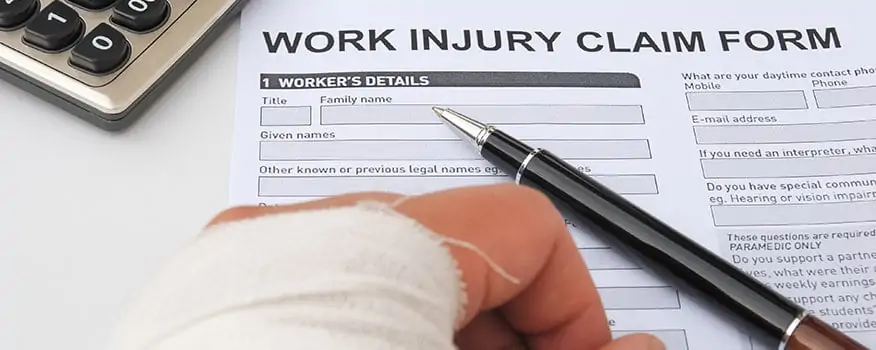
Filing a claim with the Office of Workers’ Compensation Programs (OWCP) can feel overwhelming, especially if you are already coping with an injury or medical condition. For federal workers and USPS employees, knowing how workers’ compensation works and what OWCP looks for can help you avoid delays and make the approval process smoother.
This step-by-step guide explains the OWCP claims process so you know what to do, when to do it, and how to protect your benefits.
OWCP Claim Process
- Confirm Your Eligibility
- Report the Injury or Illness
- Find the Correct OWCP Forms
- Select Your Medical Provider
- Submit Your Claim Through ECOMP
- Provide Supporting Medical Documentation
- Communicate and Respond Promptly
- Track Compensation and Benefit Decisions
- Appeal or Seek Help if Needed
Each step is important for submitting a complete and well-documented OWCP claim. By following the process one step at a time, you can prevent delays, avoid unnecessary denials, and make sure your workers’ compensation benefits are managed correctly from the beginning.
What is OWCP?
OWCP stands for the Office of Workers’ Compensation Programs, a division of the U.S. Department of Labor that manages workers’ compensation benefits for federal employees, including USPS employees. If you are injured on the job or develop a work-related medical condition, OWCP is the agency that reviews your claim and determines your eligibility for benefits.
Through OWCP, eligible federal workers may receive medical coverage, wage replacement, and other benefits for their injury or illness. Unlike private workers’ compensation insurance, OWCP benefits are governed by federal law and require specific forms, medical documentation, and ongoing communication to maintain active benefits.
What’s the Difference Between OWCP and Workers’ Comp?
OWCP is a federal workers’ compensation program that applies only to federal employees, including USPS workers. When people say “workers’ comp” or “workers’ compensation,” they are usually referring to state-run workers’ compensation insurance that covers private-sector and non-federal employees.
Both programs provide compensation for work-related injuries and illnesses, but follow different laws and procedures. OWCP claims are governed by the Federal Employees’ Compensation Act, and require specific forms, approved medical providers, and submission through the federal claims system. State workers’ comp programs vary by state and are handled through private insurance carriers or state agencies with different rules, timelines, and benefit structures.
How to File an OWCP Claim
Filing an OWCP claim may seem complicated at first, but taking it step by step can make the process easier. The following sections will walk you through each step of the process so that you feel confident and stay on track.
Step 1: Confirm Your Eligibility
Before you file an OWCP claim, you’ll need to make sure your injury or medical condition is covered. OWCP benefits are available to federal workers and USPS employees who are injured or become ill while performing their job duties. This includes injuries from a single event and illnesses that develop over time because of your work or workplace.
You must also be an eligible employee at the time the injury occurs and demonstrate that your job contributed to or worsened your condition. Medical evidence is essential because OWCP requires documentation explaining how your work contributed to the condition.
Knowing these requirements early can help you avoid delays and build a stronger claim.
Step 2: Report the Injury or Illness
After you confirm you are eligible for benefits, let your supervisor know about your injury or illness right away. Reporting quickly is important for OWCP claims because waiting can make it more difficult to demonstrate that your condition is work-related. Even if your injury seems minor, reporting it early helps protect your right to workers’ compensation if the injury worsens later.
When you report your injury, give clear details about when, where, and how it happened, or how your job duties led to an illness over time. Your supervisor’s report will be part of the official OWCP record, so make sure the information is accurate. Prompt reporting helps your claim move forward and reduces the chance of delays or problems during review.
USPS employees follow the same OWCP process as other federal workers, though internal reporting procedures may vary by location.
Step 3: Find the Correct OWCP Forms
Completing the correct OWCP form helps ensure your claim is reviewed quickly. The form you use will depend on your injury or medical condition. If you have a traumatic injury from a specific event, use Form CA-1. If your condition developed over time, use Form CA-2.
If you submit the wrong form or leave out information, your workers’ compensation claim may be delayed or denied. Before filing, review each form and complete all the required fields. Selecting the correct OWCP form from the beginning ensures your claim is directed to the appropriate place and gets reviewed quickly.
Step 4: Select Your Medical Provider
Picking the right medical provider is an important step in your OWCP claim. If you work for the federal government or USPS, you can choose your own doctor and do not need to use one picked by your employer.
The reports your doctor writes play a major role in whether your workers’ compensation claim gets approved, so make sure you choose someone who will give complete and detailed documentation.
Your provider must be a qualified physician, and should clearly write down your diagnosis, treatment plan, and how your condition is linked to your job. Detailed reports that show how your work caused your injury or illness make your claim stronger and help avoid delays or denials. Choosing an experienced doctor early can greatly improve your chances of approval in the long run.
Step 5: Submit Your Claim Through ECOMP
Once you have filled out the proper OWCP forms and collected your initial medical records, send your claim through ECOMP, the Department of Labor’s online case management system. ECOMP is where OWCP receives, reviews, and manages workers’ compensation claims for federal and USPS employees. Filing your claim online can speed up the process and make it easier to check the status of your claim.
Before you submit your claim, double-check that all your information is accurate and complete. Missing or incorrect details can slow down your claim or lead to requests for more information.
After you submit your claim, save copies of all the forms and confirmation notices you receive in case you need them while talking with OWCP or your employer in the future.
If you’re unsure how OWCP benefits fit into your overall financial protection, schedule a consultation to review your options and identify any coverage gaps early.
Step 6: Provide Supporting Medical Documentation
Medical documentation is a key part of your OWCP claim. OWCP requires more than just a diagnosis; it needs clear medical evidence showing how your injury or condition is connected to your work. Your medical provider needs to supply this documentation, and it must include a diagnosis, treatment plan, any work restrictions, and a detailed explanation of how your job duties relate to your condition.
Incomplete or vague medical reports often result in delays or denials of workers’ compensation claims. Ask your medical provider to send complete and timely reports and to respond to any OWCP requests for additional information. Consistent and detailed medical evidence supports your claim, protects your benefits, and helps move your case forward.
Step 7: Communicate and Respond Promptly
After you submit your OWCP claim, it’s important to check the status of your claim often. OWCP may request additional information, medical updates, or clarification while reviewing your case. If you reply quickly, you can avoid delays and keep your claim on track.
It’s also important to stay in contact with your supervisor and medical provider throughout the process. Keep track of all messages, when you send documents, and what you upload to ECOMP. Staying organized and responding on time shows you are cooperating and lowers the chances of your claim being delayed or denied due to missing information.
Step 8: Track Compensation and Benefit Decisions
Once OWCP starts reviewing your claim, be sure to keep track of all decisions about your compensation and benefits. These can include approvals for medical treatment, wage replacement, or decisions about work restrictions and ongoing eligibility. OWCP will send you official notices about these decisions, so be sure to log into the ECOMP system regularly.
Read all messages carefully. If you notice anything that seems incorrect or unclear, address it right away. Keeping up with your compensation decisions helps you understand which benefits you have, what paperwork you still might need, and whether you need to do anything else (like submitting more medical reports) to maintain your coverage.
Step 9: Appeal or Seek Help if Needed
If your OWCP claim is denied, delayed, or your benefits are reduced, you have the right to appeal the decision. OWCP offers a few different ways to appeal, including asking for reconsideration, requesting a hearing, or having the Employees’ Compensation Appeals Board review your case. Each option has its own deadlines and paperwork, so be sure to respond quickly and follow the instructions carefully.
If your case is more complicated, like when there is a disagreement about medical evidence or possible permanent disability, it may be helpful to talk to an experienced OWCP lawyer. A professional can explain your options and make sure your appeal is properly supported.
Knowing when and how to ask for help can make a meaningful difference in the outcome of your workers’ compensation claim.
Taking Control of Your OWCP Claim
Filing an OWCP claim is much easier when you understand the process and what’s required at each stage. By confirming your eligibility, reporting your injury promptly, submitting the correct forms, and providing clear medical documentation, you reduce the risk of delays and denials. Staying organized and responsive throughout the process helps ensure your workers’ compensation benefits are handled correctly from start to finish.
It’s also important to know what OWCP does—and does not—cover. While OWCP may provide medical costs and wage replacement for work-related injuries, it does not protect your income for disabilities that happen outside of the workplace. For this reason, many federal and USPS employees add private short-term disability and life insurance to their benefits so their families and finances are protected in any situation.
If you’re a federal or USPS employee and want added peace of mind beyond OWCP, now is a great time to explore private short-term disability and life insurance designed specifically for federal workers. These benefits can help fill coverage gaps, protect your income, and provide financial stability when you need it most.
Schedule a 30-minute consultation today to review your options, ask questions, and ensure your coverage truly meets your needs—both at work and at home.
Frequently Asked Questions About OWCP
Federal employees, including USPS workers, can receive OWCP benefits if they are injured or become ill while working. To qualify, the injury or illness must be work-related, and the employee must be covered by the Federal Employees’ Compensation Act at the time that the injury occurs.
OWCP provides coverage for injuries and illnesses that happen while you are doing your job. This includes sudden injuries from specific events and health problems that develop over time because of your work or exposure at the workplace.
There is no set time limit for how long you can receive federal workers’ compensation benefits through OWCP. Benefits continue as long as medical evidence shows that your work-related injury or illness prevents you from returning to work and you meet the OWCP eligibility requirements.
Payment timelines vary depending on the type of claim and how complete your documentation is. In general, OWCP can take several weeks to review a claim and start wage replacement payments, especially if additional medical evidence or clarification is needed.
Federal workers’ compensation through OWCP pays a percentage of your regular wages if you cannot work because of a job-related injury or illness. The amount depends on your pay rate, dependency status, and whether you can return to work in a limited capacity.
In most cases, you cannot collect full short-term disability benefits and workers’ compensation for the same injury at the same time. However, some private short-term disability policies may supplement or offset workers’ comp, depending on the policy terms, so review your coverage details carefully.
Official OWCP claim forms are available on the U.S. Department of Labor’s OWCP website and can be accessed and submitted through the ECOMP online system. Using these forms helps ensure your claim is processed correctly and without unnecessary delays.
You can check the status of your OWCP claim by logging into ECOMP, the Department of Labor’s online case management system. ECOMP lets you view claim updates, review correspondence, and track submitted documents for your case.