
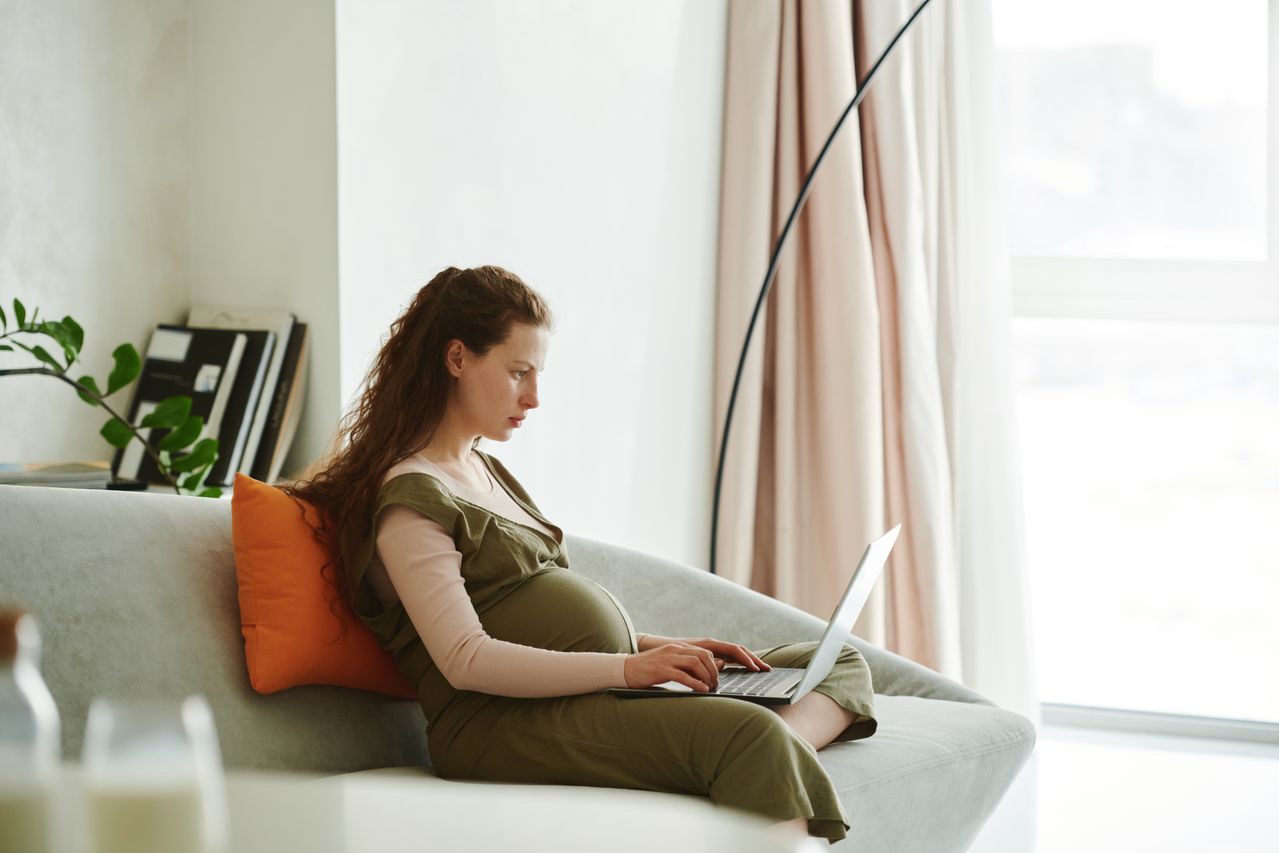
USPS pregnancy leave doesn’t work the way most federal employees assume it does. USPS runs its own leave and compensation system, and postal employees weren’t included when the federal government rolled out paid parental leave for the rest of the federal workforce. That leaves pregnant postal workers piecing together sick leave, annual leave, and FMLA to get through pregnancy, delivery, and recovery. Short-term disability is the one piece that can actually replace your income, and it’s something most postal employees have to set up themselves, before they need it.
Each of those benefits does a different job, and no single one gets you through a full leave on its own. Here’s how sick leave, FMLA, and short-term disability fit together for USPS employees expecting a child.
Does USPS Offer Maternity Leave?
USPS doesn’t have a dedicated maternity leave program the way some private employers do. What postal employees have instead is a combination of benefits that were never designed for pregnancy: accrued sick and annual leave, FMLA job protection, and (for those who purchased it) private short-term disability insurance.
The biggest gap is Paid Parental Leave. Most federal employees became eligible for 12 weeks of paid parental leave in 2020, when the Federal Employee Paid Leave Act took effect, covering the birth, adoption, or foster placement of a child. USPS employees were left out because USPS runs its own personnel system, negotiated through its unions, instead of the Title 5 system Paid Parental Leave was built into. For USPS employees, that means the paid leave other federal workers get for bonding with a new baby isn’t available. Our USPS-specific short-term disability guide covers this gap in more detail.
How Sick Leave Covers USPS Pregnancy Leave
Sick leave is usually the first benefit a pregnant postal employee uses, and it’s also the most limited. USPS employees accrue sick leave every pay period, and that balance can be used for prenatal appointments, pregnancy complications, and recovery time after delivery. The problem is that most people don’t have enough saved to cover a full leave, which typically runs around 60 days for a normal pregnancy and closer to 90 days for a cesarean, before any complications are factored in.
Once sick leave runs out, annual leave is typically next, followed by leave without pay if both are exhausted before an employee is ready to return to work. USPS employees can also get donated annual leave from coworkers through a leave-sharing program, but that only works if someone else has leave to spare and is willing to donate it. None of these options were built to replace an income the way an insurance benefit is.
FMLA and Job Protection During USPS Pregnancy Leave
The Family and Medical Leave Act gives eligible USPS employees up to 12 weeks of unpaid, job-protected leave for pregnancy, childbirth, and bonding with a new child. All public agencies, including USPS, are covered under FMLA regardless of size. So postal employees qualify as long as they’ve worked at least 12 months and logged at least 1,250 work hours in the prior year.
What FMLA does not do is pay you. Your job (or an equivalent one) will be waiting when you return. Your health insurance also continues during that time, but the leave itself is unpaid. That’s the piece most people misunderstand: FMLA and income replacement are two completely separate things, and for USPS employees without short-term disability, nothing automatically fills that second gap. Our comparison of short-term disability vs. FMLA walks through how the two can work together for federal and postal employees.
Why USPS Employees Don’t Get Paid Parental Leave
This is the piece that catches most USPS employees off guard, usually when they’re already well into planning a leave. The Federal Paid Parental Leave program gives most federal workers 12 weeks of paid time off after a child is born, adopted, or placed with their family, and it runs concurrently with FMLA. USPS employees don’t have access to it because the benefit was built into the Title 5 leave system, and USPS was created outside that system from the start.
This leaves a real gap in the middle of a USPS pregnancy leave plan. Sick and annual leave can cover part of it, and FMLA protects the job, but nothing in the standard USPS benefits package replaces income during the medical recovery period after delivery, let alone during pregnancy complications that come up before the due date.
📋 Not sure how your sick leave balance would hold up against a full pregnancy leave, or what would actually replace your income once it runs out? Fill out our quick form to get a personalized disability insurance quote built around your USPS leave balance and family planning.
How Short-Term Disability Fills the Gap in USPS Benefits
This is where a private short-term disability policy comes in. A short-term disability policy pays a percentage of your income during the medical recovery period after delivery, typically around six weeks for an uncomplicated vaginal delivery and closer to eight weeks for a cesarean section. It can also cover pregnancy complications that keep you out of work before the baby arrives, such as preeclampsia, gestational diabetes, or a high-risk pregnancy requiring bed rest. Our guide to short-term disability and pregnancy breaks down what’s typically covered and what isn’t.
Short-term disability runs concurrently with FMLA, the same way it would for any other qualifying medical condition, so there’s no waiting for one benefit to end before the other begins. And because USPS employees don’t have Paid Parental Leave to coordinate with, short-term disability is often their only source of income replacement available once sick leave and annual leave are gone.
Coverage details (like waiting periods and what conditions qualify) vary by policy, so it’s worth reviewing what typically qualifies for short-term disability and how much a policy typically pays before you’re relying on a specific claim.
Putting Together a Realistic USPS Pregnancy Leave Timeline
Before mapping out the order your benefits kick in, it helps to know how much time you’re planning for. Typical time out for a normal pregnancy is around 60 days, a cesarean delivery is closer to 90 days, and complications can stretch that even further. For most postal employees, that’s more time than sick and annual leave can cover on their own.
Here’s how USPS pregnancy leave usually gets covered: Sick leave covers the first stretch, including prenatal appointments and any early complications. Annual leave picks up once sick leave is thin or exhausted. FMLA runs in the background the entire time, protecting your position for up to 12 weeks regardless of which leave category you’re drawing from. If you have a short-term disability policy, it starts paying out once its waiting period has passed, typically covering the recovery period after delivery and any complications that qualify beforehand. Disability income replacement takes up the slack when sick and annual leave run out.
Without short-term disability, that timeline has a gap: once paid leave runs out, there’s no paycheck until you’re cleared to return to work. That’s the risk USPS employees carry that most other federal agencies don’t. There’s no Paid Parental Leave sitting under FMLA to catch what leave balances don’t cover.
If you’re planning ahead, our guides on how long short-term disability benefits typically last and how to apply for short-term disability are both worth reading before you need to file a claim, along with our rundown of common reasons short-term disability claims get denied.
Close the Gap Before Your Leave Starts
USPS pregnancy leave asks employees to combine things that were never designed to work together as a single benefit: sick leave that runs out quickly, annual leave to stretch it further, and FMLA that protects a job but not a paycheck. None of those actually replaces your income. The only piece that does is short-term disability, and most postal employees have to buy it on their own since it isn’t part of the standard package. Understanding how these pieces fit together, and where the real gap sits, is what separates a manageable leave from a financially stressful one.
The best time to sort this out is before you need it, not in the middle of a pregnancy when your options are already limited. Most short-term disability policies won’t cover a pregnancy that began before your coverage did, so buying a policy after you’re already pregnant usually means the delivery and recovery period itself won’t be covered.
If you want help understanding what your current leave balance would actually cover and where a short-term disability policy would fit in, schedule a free 30-minute consultation with David to walk through what USPS pregnancy leave would look like for your specific situation.
Frequently Asked Questions About USPS Pregnancy Leave
Here are answers to questions USPS employees ask most often about maternity leave, FMLA, and short-term disability.
Not as a dedicated program. USPS employees use a combination of sick leave, annual leave, FMLA job protection, and, if they’ve purchased it, short-term disability insurance to cover pregnancy, delivery, and recovery.
No. Most other federal workers get 12 weeks of paid leave after a birth, adoption, or foster placement through the federal Paid Parental Leave program. USPS employees are excluded from it because USPS operates under its own personnel system rather than the Title 5 system that benefit was built into.
There’s no fixed length, but typical time out for a normal pregnancy is around 60 days, and a cesarean delivery is closer to 90 days. Complications can push that even longer. How that time gets paid for depends on how much sick and annual leave an employee has saved, whether they qualify for the full 12 weeks of FMLA job protection, and whether they have a short-term disability policy to replace income once leave balances run out.
Yes. A private short-term disability policy can pay a percentage of income during the medical recovery period after delivery and for pregnancy complications that require time off before the baby arrives, such as preeclampsia, gestational diabetes, or preterm labor requiring bed rest.
No. FMLA protects a USPS employee’s job for up to 12 weeks, but the leave itself is unpaid. It runs on a separate track from any paid leave or short-term disability benefits an employee is using at the same time.
Yes. USPS has a leave-sharing program that allows coworkers to donate annual leave to an employee facing a medical emergency (including pregnancy-related complications) once that employee’s own leave balance is exhausted.